
A shaman is a person who, through calling, initiation, and long years of practice, has gained the ability to work with the non-visible layers of reality — ancestors, power animals, spirits, nature beings, thresholds between worlds. The word comes from the Tungusic šaman, originally naming the religious specialists of Siberian peoples. In religious studies it's used today across cultures for comparable functions — from West Africa through Japan and China to the indigenous traditions of the Americas. Shamanism isn't a modern invention. It's one of humanity's oldest spiritual practice traditions.
I'm Dr. Mark Hosak. I earned my PhD at Heidelberg University on Buddhist healing rituals, spent three years researching in Kyoto's temples, practiced on the sacred mountains of Koyasan (Shingon) and Hieizan (Tendai), walked the Shikoku pilgrimage on foot, and have had encounters with spiritual masters on travels through Japan, Korea, and Southeast Asia. Over ten years ago I took on the Wolf Shamanism lineage of the Ivory Coast via Baron Samedi — and have practiced daily in this lineage since. Eileen Wiesmann, with whom I work, brings the Egyptian tradition and her historical research.
What follows is a journey through what a shaman really is — beyond weekend-workshop language, beyond New-Age clichés, beyond pop-culture distortions.
What Shamanism Is Not
Shamanism is not a profession you choose, not a weekend-workshop certificate, not a universal-healer promise, and not a cultural costume. Anyone promising you "become a shaman in twelve weeks" hasn't understood the depth of the tradition. Real shamanism is always rooted in concrete lineages, grown through calling and initiation, and takes decades.
The English-language online world is flooded with pop-spirituality — weekend shaman workshops, plastic feather headdresses, certificates issued. Before going deeper, let's sort out what shamanism is not.
Not a profession you choose. In all authentic traditions, shamanism is a calling that comes through dreams, bodily crises, initiation experiences, or direct transmission in a lineage. Anyone who decides one morning to "become a shaman" hasn't understood the depth.
Not a universal healer. In authentic traditions shamans work with specific layers of reality — ancestors, spirits, power animals. They don't replace the doctor, the psychotherapist, the lawyer.
Not a cultural costume. The popular mix of "a bit Native American, a bit Siberian, a bit New-Age" — feathers from Pinterest, drum from Amazon, "power animal" from a self-help book — is cultural appropriation that doesn't do justice to authentic traditions. Real shamanic work is rooted in concrete lineages, with concrete roots in concrete cultures. One lineage. Or several — when the path has led into several initiations and each lineage gets its own room. What unites them isn't superficial mixing but the red thread running through all genuine shamanic traditions.
Not universally Western-anything. If you search Wolf Shamanism, the probability is high you'll hit Germanic-Celtic or Algonquin-romantic depictions. My Wolf Shaman lineage comes from the Ivory Coast — West Africa, via Baron Samedi. This clarification is laid out in full on the Full Moon page, the Vodou page and the Wolf Shamanism page — and shapes everything I write here.
Real shamanism is concrete, rooted, transmitted — and takes decades.
What a Shaman Actually Does — Five Core Functions
In the traditions I've worked with over the last thirty years — Wolf Shamanism of the Ivory Coast, Japanese Mikkyō and Shugendō, shamanic Daoism, the Egyptian tradition via Eileen Wiesmann's research — there's a recognizable pattern of shamanic function. The pattern isn't universal — there are variants. But core functions are recognizable.
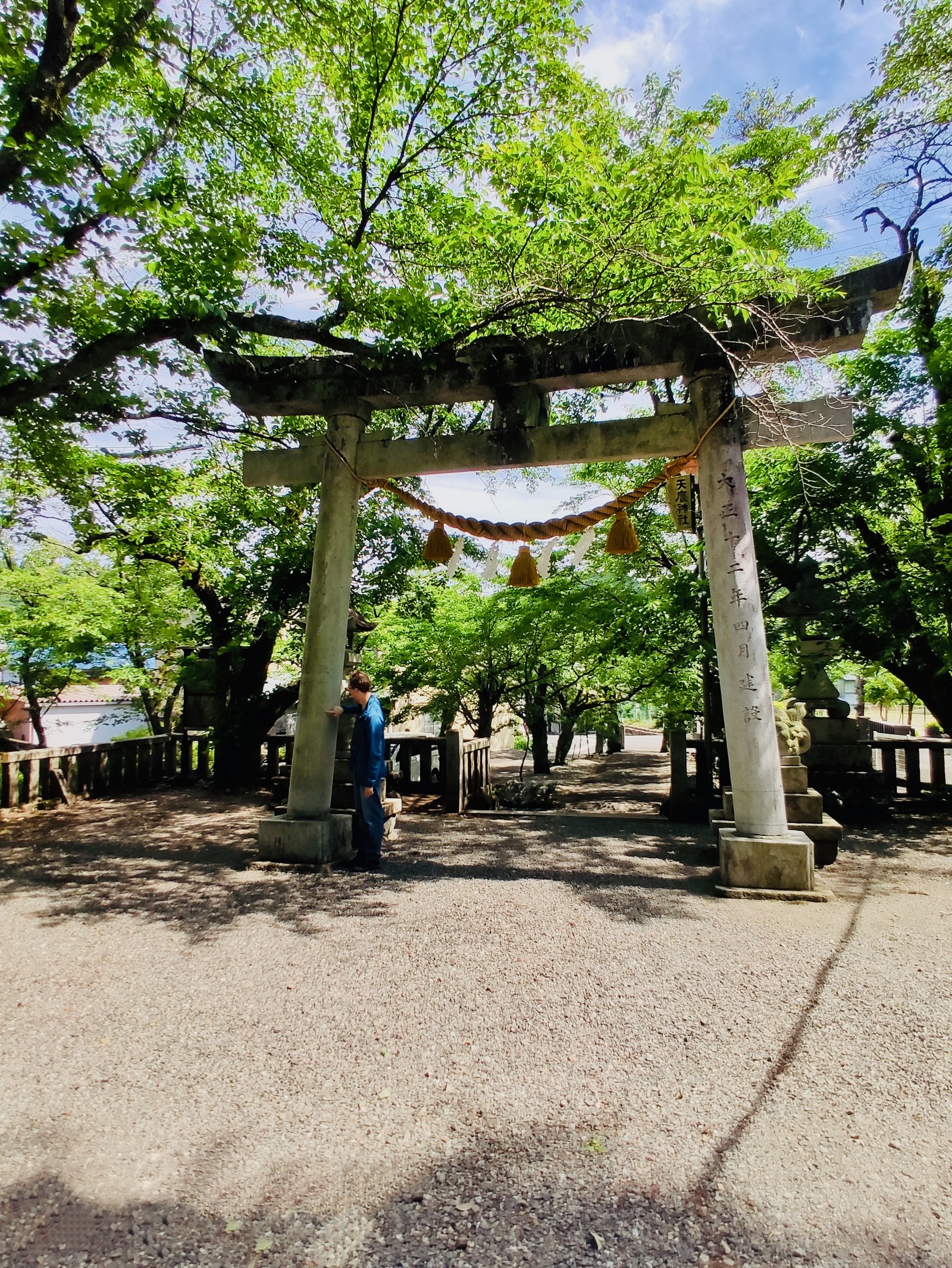
First: Threshold work. Shamans work at the thresholds between worlds — between the living and the dead, between visible and invisible reality, between day and night, between moon phases. They can consciously cross these thresholds and return with information, powers, sometimes with instructions. That's the innermost function. Everything else builds on it.
Second: Relational work with non-human beings. Ancestors, power animals, spirit beings, nature spirits, Loa, Kami — the non-human inhabitants of reality. In my Wolf Shaman lineage the central relationship is with Baron Samedi (Vodou Loa) and the Great Wolf. In my Mikkyō practice with Bodhisattvas like Marishiten and Kannon, correctly placed as Bodhisattvas and protective deities and not as "goddesses." These relationships are real, ongoing, tended — not one-time invocations.
Third: Protection and clearing. Shamans work with energetic layers — auras, rooms, relationships, karmic entanglements. Protection-building, recognizing burdens, clearing practices. That's not medical treatment — it's energetic work with its own value. More on the aura layer on the Aura page, on chakra anatomy on the Chakra page.
Fourth: Transmission. Shamans are often messengers — between worlds, between generations, between the living. They deliver messages, interpret dreams, recognize patterns hidden to others. That's the counseling function in shamanic practice.
Fifth: Ritual practice. Shamans are ritual specialists — they know the practices effective in their tradition and can apply them or pass them on. Incense, drum, visualization practices, invocations, twelve-nights accompaniment, full-moon rituals — all this belongs in the toolbox.
What a shaman doesn't do: no medical diagnoses, no healing promises, no guarantees. Anyone doing that hasn't learned the craft.
Real Shaman vs. Weekend Shaman — Seven Markers
Anyone seeking clarity on real authenticity watches for concrete markers.
Marker 1 — the lineage is nameable. A real shaman can say: "I practice in the Wolf Shamanism lineage of the Ivory Coast via Baron Samedi, transmitted by the friend who introduced me to the lineage after five years of his search for a successor." A weekend-shaman says: "I did a training with XY and work with whatever feels good."
Marker 2 — the practice is daily. Shamanism in authentic traditions isn't a weekend act. It's daily relational tending with the spiritual presences of the lineage.
Marker 3 — cultural roots are respected. A real shaman speaks of their tradition with precision. They don't superficially mix "Native American + Siberian + Celtic." They know where their practice comes from and in which lineage they stand.
Marker 4 — no healing promises. A real shaman doesn't promise disease healing, guarantees, miracles. They describe what shamanic work opens, what can change, what the tradition has observed for centuries. What truly heals belongs in medical hands.
Marker 5 — initiation is describable. Whoever stands in a lineage can tell how they came in — through which dreams, which transmission, which experience. A weekend-shaman doesn't have that.
Marker 6 — practice can't be transferred in a weekend. Anyone offering you a certificate after two days has misunderstood something. What's possible in a weekend are initial encounters and impressions. Shamanic practice itself emerges over years of direct transmission and lived relationship.
Marker 7 — honesty about limits. A real shaman says what they can't do, what doesn't fall in their area, when someone needs a doctor, a therapist, another professional. That doesn't make them less shamanic — it makes them trustworthy.
These markers aren't guarantees. But they help to make a first assessment before entrusting someone with energetic or financial resources.
Anime Bridge — What Princess Mononoke, Spirited Away, Inuyasha Show Right
If you grew up with Japanese animation, you know the pattern: certain anime work with real shamanic concepts — and they do it with depth rarely found in Western pop-culture. That's no accident. These stories come from a culture that takes Shinto and Mikkyō as self-evident.
Princess Mononoke (Mononoke Hime). Hayao Miyazaki's masterpiece works with real concepts from Japanese shamanism: forest Kami as living beings in relationship with humans. The boar spirits becoming demons when wounded. The Shishigami — the forest god — deciding between life and death. Ashitaka as a highly sensitive young man perceiving the spirit world and crossing through his sensitivity the threshold to shamanic calling. That's not invented fantasy. That's Japanese shamanic tradition in animated form.
Spirited Away. An eleven-year-old in a world where spirits, gods, and beings of all layers live. The bathhouse as in-between world where the Kami are invited to cleanse. Yubaba as elder spirit-woman administering the gateways between worlds. Haku as river-Kami who must rediscover his identity. None of this is Disney fairy-tale. It's Shinto in its living form, filtered through Miyazaki's sensitivity.
Inuyasha. A world where Japan's Sengoku era (15th–17th century) is shown together with spirit beings, Yokai, and shamanic practitioners. Kagome as a modern girl with spiritual perception falling into the past. Kikyo as Miko 巫女, Japanese shrine priestess with shamanic functions. Naraku as fragmented soul embodying karmic entanglements. Inuyasha himself as half-Yokai living between worlds. Real Japanese folk magic in anime form.
Demon Slayer (Kimetsu no Yaiba). The breath styles of the demon slayers aren't fantasy magic — they're anime exaggeration of what's known in Mikkyō and Shugendō tradition as activation of Ki 氣 through specific breath techniques. Tanjiro's sense of smell as highly sensitive perception layer — what Elaine Aron describes as "sensing the subtle."
Jujutsu Kaisen. Literally "Sorcery-Martial-Arts High School." The system of "cursed energy," binding rituals, domain expansions isn't invented — it's anime adaptation of Onmyōdō 陰陽道 (Japanese Yin-Yang folk magic from the Heian era) and Shugendō. Sukuna, Gojo, the Zenin family — all of it is a modern, dramatized version of real Japanese sorcerer traditions.
Why do these stories work? Because they come from a culture that has understood shamanism since Shinto, Mikkyō, and Onmyōdō as self-evident. The writers didn't invent it — they drew from cultural depth alive in Japan for centuries. What you recognize while watching is this ancient tradition.
If you grew up with these anime, you've absorbed something important without knowing it: that shamanic perception isn't fancy, that the spirit world has its own structure, that threshold beings really do occur. That's the unconscious pre-familiarity that brings many Millennial and Gen-Z seekers to authentic shamanic tradition.
Mark's Lineage · Wolf Shamanism of the Ivory Coast
My Wolf Shamanism doesn't come from Germany. Not from Germanic-Celtic tradition. Not from the North American Algonquin tradition either, where the popular wolf-moon narrative comes from. My Wolf Shamanism comes from West Africa — the Ivory Coast. The lineage runs through Baron Samedi.
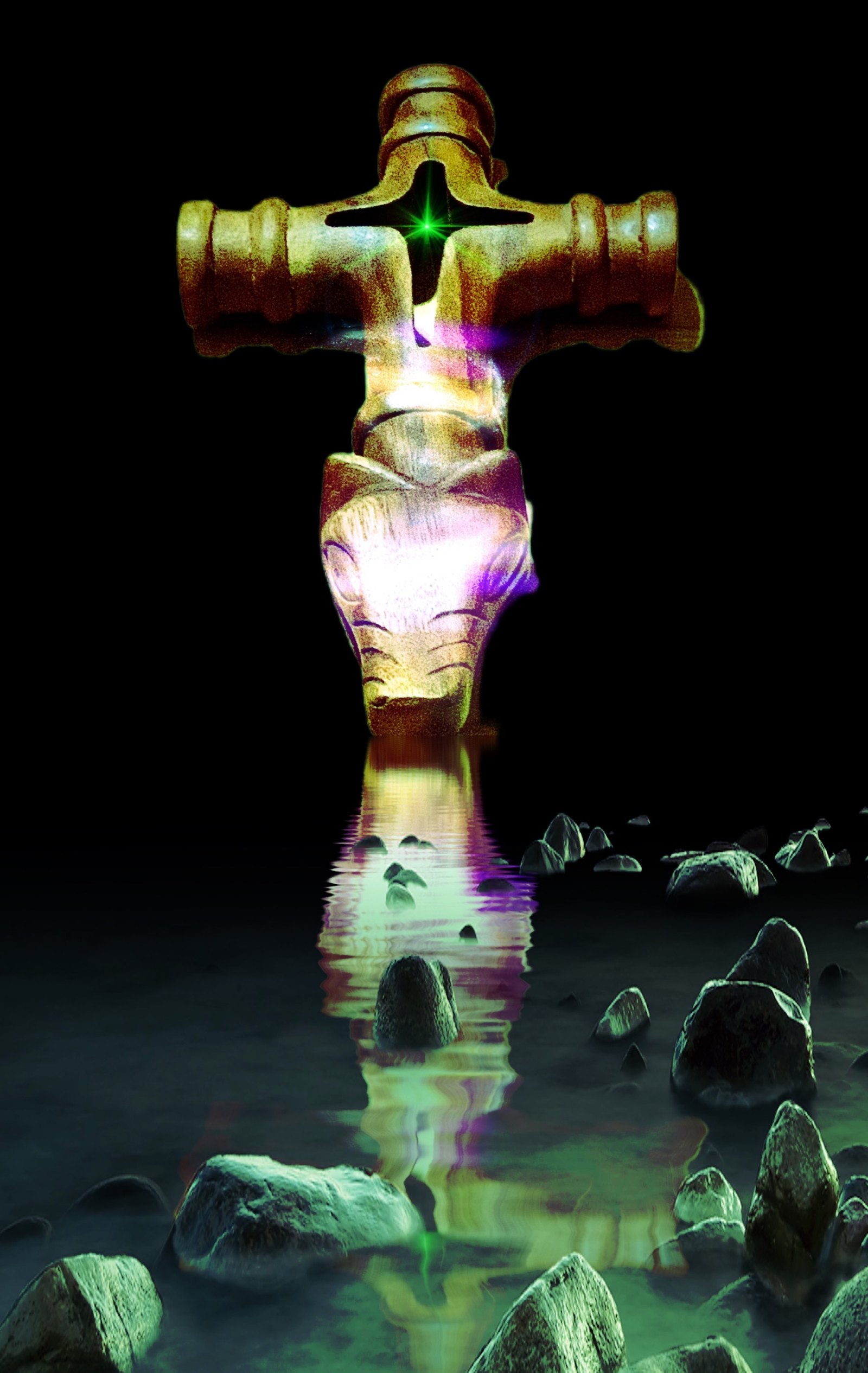
How I got into it: I was Reiki Master to a friend who was a Vodou practitioner. One day I had two dreams in quick succession. In the first, Baron Samedi rubbed me with a wolf pelt. In the second, I played as part of a wolf pack. When I told my friend, he went still. He had searched for five years for a successor for the Wolf Shamanism lineage of the Ivory Coast. My dreams were the sign he'd been waiting for. Since then I've practiced daily with Baron Samedi — over ten years now.
What distinguishes this lineage:
Daily practice. Shamanism in the Ivory Coast lineage isn't a weekend workshop. It's daily relational tending with the protective forces — invocation, incense, tending of the spiritual relationships. Whoever walks the Master Path of this lineage builds over years a concrete relationship with Baron Samedi and the Great Wolf.
Protection function. This lineage is especially strong in protection work. When people come with negative influences, energetic burdens, karmic entanglements, the protection rituals of this tradition are the central work.
Threshold practice. Full moon and new moon are the two main thresholds where practice becomes especially active. More on the Full Moon page and the page on the Twelve Nights.
Living transmission. This lineage isn't taken from books. It's transmitted in the lineage itself through direct initiation. What you read on this page is information — not initiation. Initiation takes place in direct encounter.
More on the Vodou tradition and Baron Samedi on the Vodou page and the Wolf Shamanism page.
Mark's Lineage · Japanese Mikkyō, Shugendō, and Yamabushi
My second great lineage is Japanese — academically founded and grown in lived temple tradition.
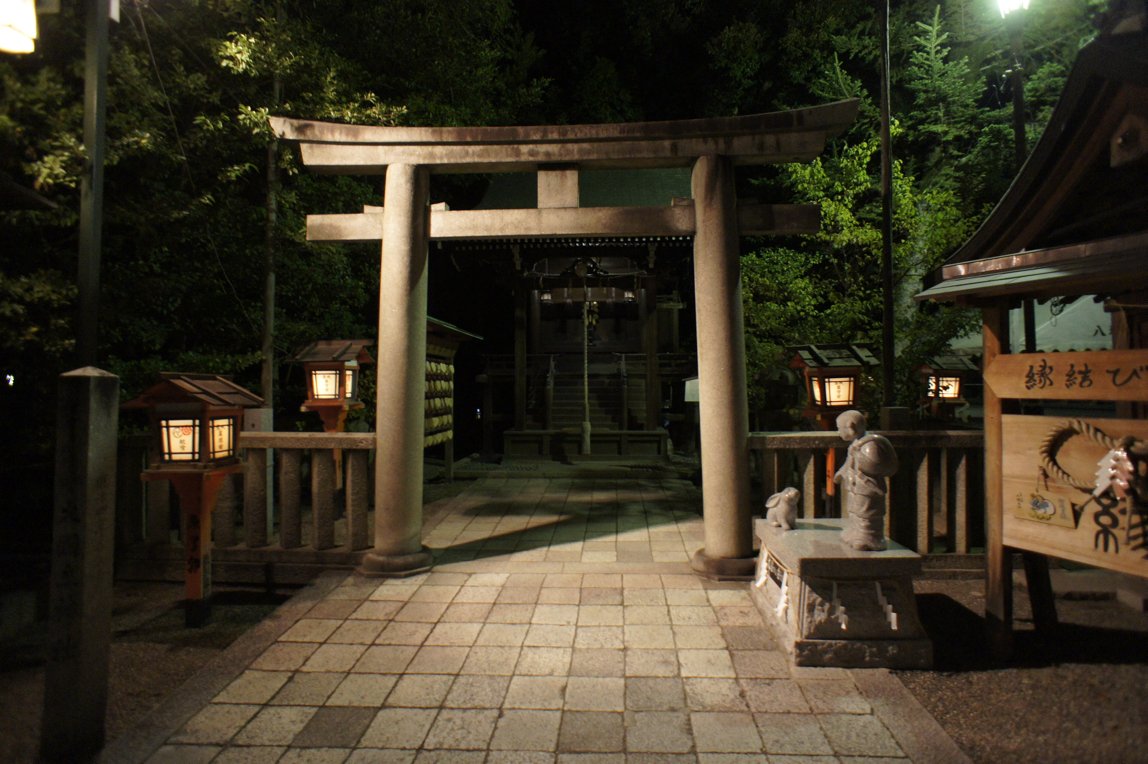
Heidelberg University PhD on Buddhist healing rituals. Three years of research in Kyoto's temples. Practice and research on Koyasan (mountain of Shingon Buddhism, founded by Kōbō Daishi Kūkai in the 9th century) and Hieizan (mountain of Tendai Buddhism, likewise a central spiritual center of Japan). The Shikoku pilgrimage with all 88 temples on foot. Japanese and Chinese calligraphy with a Zen monk. On further travels in Japan, Korea, and Southeast Asia, encounters with spiritual masters of various lineages.
What distinguishes this lineage:
Mikkyō — Japan's esoteric Buddhism. Brought from China to Japan in the 9th century by Kūkai. One of Asia's oldest and deepest esoteric traditions. The central practices — Gachirinkan (moon-disk meditation, see Full Moon page), Siddham practice, Mantra practice — have been transmitted in Japan's temples for over 1,200 years.
Shugendō and Yamabushi. The Japanese mountain ascetics working at the intersection of Mikkyō, Shinto, and old shamanism. Yamabushi go into the mountains to experience thresholds. They are Japan's shamans — even if the term "shaman" is used differently in Japan. More on the page on Japanese Shamanism.
Shingon Reiki as related lineage. Connection of Mikkyō depth with Reiki energetic practices — my own form, transmitted for decades. More at shingon-reiki.com, our related project.
Eileen's Lineage · Egyptian Tradition and Religious History
Eileen Wiesmann brings her own lineage: MA Historian from Heidelberg University with a focus on religious history. Her research connects Daoist ritual with Japanese folk magic and Egyptian tradition.
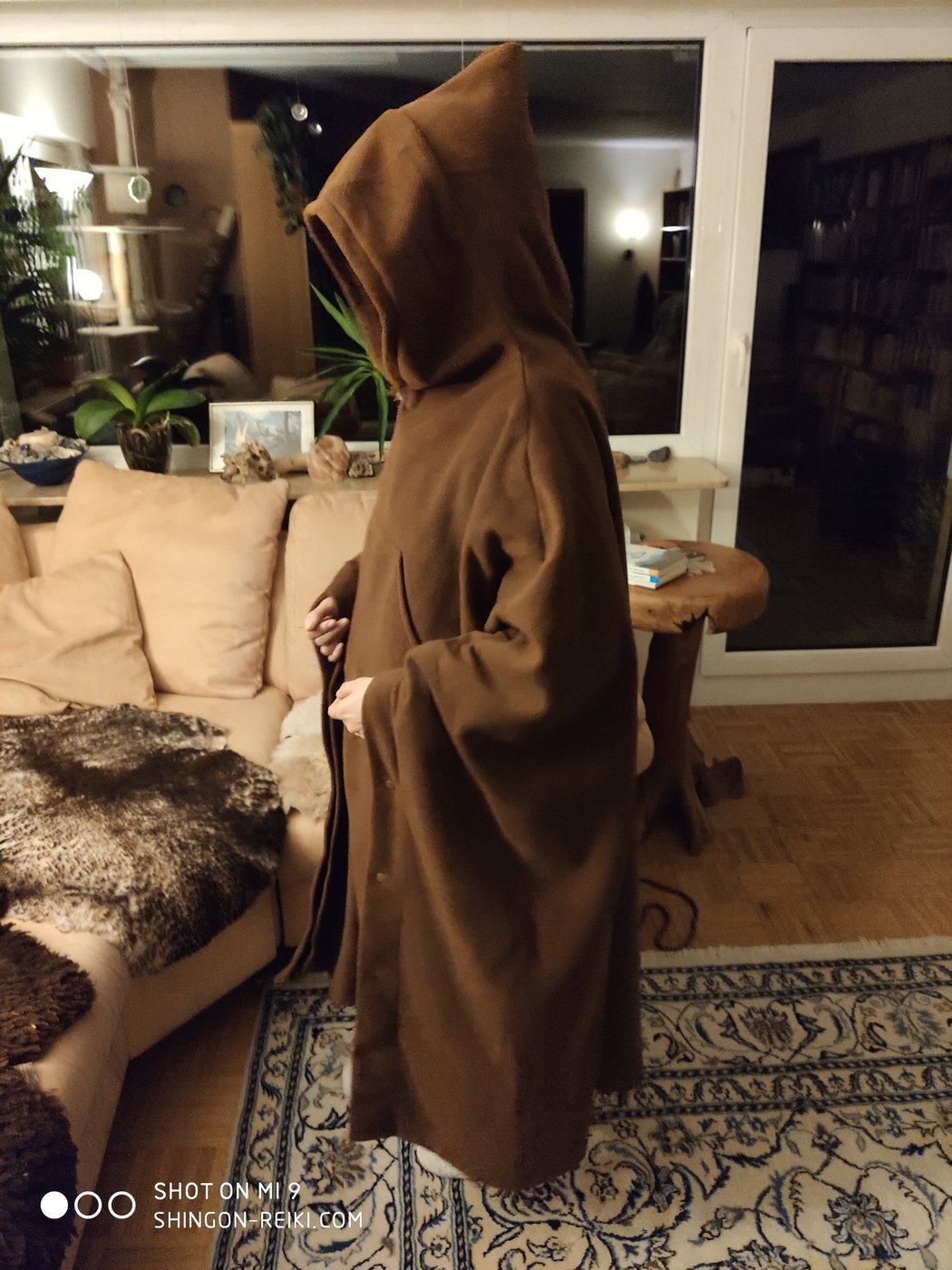
Anubis research. The Egyptian golden jackal (Anubis) actually has wolf DNA — zoological research of recent years has shown this. Anubis as threshold guardian to the underworld is the Egyptian parallel to Baron Samedi in the West African lineage. This isn't accidental. Both beings work at the same threshold: between the living and the dead. Both have wolf/jackal connection. This comparative bridge is Eileen's specialty.
Hieroglyph research. Egyptian hieroglyphs weren't only writing — they were ritual codings. Eileen's research connects the hieroglyphic tradition with the Japanese Siddham characters I worked on in my dissertation. That's a rare bridge between two worlds.
Religious history depth. Eileen brings the academic rigor that carries our comparative work. When we claim that Mikkyō, Vodou and Egyptian tradition share perception structures, that's not intuitive assertion — it's traceable in religious studies.
The Shamanic Worlds — A Comparative Synthesis
What we're building together at shamanic-worlds.com is a comparative synthesis of various shamanic traditions. Not as syncretism that mixes everything. As careful research showing where different traditions developed similar perception structures — and where they differ.
Three main lineages:
- West African (Wolf Shamanism of the Ivory Coast, Vodou) — Mark's main lineage via Baron Samedi.
- Japanese (Mikkyō, Shugendō, Shingon, Daoist-influenced Japanese folk magic) — Mark's academically founded and Japan-lived main competence.
- Egyptian (Anubis, hieroglyphic tradition, Pharaoh rituals) — Eileen's research focus.
The thesis behind Shamanic Worlds: these traditions aren't accidentally similar. They follow similar perception structures — threshold awareness, relationship with non-human beings, energetic layers of reality. Universal structures even though cultural expressions vary widely. That's the great connection carrying this site.
The individual traditions you'll find on:
- Wolf Shamanism — Mark's main lineage
- Vodou — Baron Samedi and the Vodou tradition
- Japanese Shamanism — Shugendō, Mikkyō, folk magic
- Daoist Shamanism — Yin-Yang, Bagua, inner alchemy
- Egyptian Shamanism — Anubis, hieroglyphs
When Do You Need a Shaman?
Most people don't need a shaman. That's an honest statement. Shamanic accompaniment isn't a standard tool for all life situations — it's a specific form of spiritual support that becomes useful in particular situations.
Life thresholds with spiritual depth. Death, separation, location change, career break, severe illness with existential resonance — these threshold experiences often call for more than therapeutic accompaniment. They call for a ritual frame in which the transition can be shaped.
Supersensory perceptions you can't categorize. Recurring dreams with spiritual presences, sensing ancestors, perceiving rooms with their own clear atmosphere, hearing or seeing beings others don't. When such experiences emerge, a shamanic placement is often more helpful than a psychological one, provided no mental illness is present.
Suspicion of attachments or energetic burdens. When you sense something at you "not yours" — a mood that suddenly was there and stayed, a change after a particular place or encounter.
Vision search and calling clarity. When career counseling no longer suffices.
Ancestor themes. Some life themes don't come from your current life — they come from your ancestral lineage. Whoever repeatedly meets the same patterns without clear origin in their own life can open something through shamanic ancestor work that runs across generations.
Karmic entanglements. Relationships that feel "karmic" — recurring, not ending, more intense than ordinary connections.
When a doctor or therapist is more sensible. With mental illnesses, acute crises, physical symptoms requiring medical clarification, the order is reversed: first the professional, then possibly shamanic accompaniment as complement. Shamanic work replaces no therapy, no medical treatment, no psychiatric care.
Can You Become a Shaman?
This question is often asked — sometimes with longing, sometimes with doubt. And I'll say it right at the start: yes, you can.
What holds back most Western seekers isn't the absence of calling — it's the cultural conditioning that you can't become such a thing. We were raised in a world that has lost language for spirit beings, threshold practice, shamanic perception. Many people who land on this page today bring it with them — open perception, recurring dreams, the feeling that the visible world isn't the whole world. They have the calling in them. They just don't know what it is.
That's today the most common path into shamanic practice: you grow into it. Step by step. First the honest question. Then familiarity with a tradition. Then a concrete practice. Then an initiation in a lineage. Then years of deepening.
In authentic traditions shamanism is a calling. The typical paths there:
Inborn sensitivity. Many people come into the world with unusually open perception — as highly sensitive children, as dreamers, as receivers of fine energetic layers. When this constitution finds a shamanic frame that takes it seriously, the calling begins to grow. More on the Highly Sensitive page.
Dreams and visions. Recurring dreams with clear spiritual presences, visions in meditation, intense encounters with power animals or ancestors — these are often the first concrete signs. With me it was the two dreams with Baron Samedi and the wolf pack.
Initiation crisis. Some people are pushed by a severe life crisis — illness, accident, loss — into a threshold experience that changes them. If they emerge with opened perception and find a frame that integrates it, that can be the entrance.
Transmission in a lineage. The traditional path. An existing shaman recognizes suitability in someone and transmits the lineage — through initiation, long accompaniment, direct transmission. That's how I came into the Wolf Shamanism lineage of the Ivory Coast.
What all paths share: it begins with something already there in you. You don't choose shamanism in a career-decision sense. But you can follow the call already in you. Whoever does so enters a practice that grows — over years, sometimes decades. Whoever walks the path becomes a shaman in the lineage transmitted to them. Not through a certificate, but through daily practice, initiations, recognition by the lineage's spiritual presences themselves.
The Wolf Shaman Master Path — How the Path Concretely Looks
Anyone who senses the call and wants to follow it finds in my lineage a concrete path: the Wolf Shaman Master Path. It's not a course, not a curriculum — it's a long-term practice path in the Wolf Shamanism lineage of the Ivory Coast, complemented by Mikkyō depth from Heidelberg and Koyasan.
What happens on this path:
1 · True Self
The cultural layers grown around you in daily life — roles, expectations, self-devaluations — become transparent in shamanic work. What lies beneath becomes visible.
2 · Find Your Vision
What are you actually here to do? In shamanic traditions this isn't a career question. It's a calling question. On the Master Path we work with rituals and practices in which your vision shows itself step by step.
3 · Free Yourself
Karmic entanglements, energetic burdens, old bindings not belonging to you — these are seen and worked through in shamanic work. The protection practice of the Wolf Shamanism lineage is one of the central pillars.
4 · Connect with True Powers
Power animals, protector spirits, ancestors, the spiritual presences of the lineage — Baron Samedi, the Great Wolf, the Loa family. These relationships are real, they grow, they carry.
Supersensory abilities. Aura perception, threshold practice, drum journeys, energetic diagnosis, ritual work. All this is part of shamanic practice — not as trick or show but as lived perception layer largely lost to the modern world.
Whoever walks this path becomes in our lineage the Wolf Shaman. Not overnight. Not in a weekend. But step by step, in a practice community where initiation and accompaniment are alive.
More on the concrete path, the tiers and the next entry possibility on the Wolf Shaman Master Path page.
What You Can Do Without Becoming a Shaman
Most readers of this page won't become shamans. They're interested, searching, perhaps highly sensitive — but not initiated in a shamanic lineage. That's completely fine.
Familiarity with the traditions. Work with the authentic traditions — and listen to the Shamanic Worlds Podcast where I regularly lead into the depths of various traditions: Wolf Shamanism of the Ivory Coast via Baron Samedi, Japanese shamanism (Yamabushi, Shugendō, Shinto, Mikkyō), shamanic Daoism, Egyptian tradition, Vodou. More on the Podcast page.
Take up simple practice. Certain practices — moon-phase observation, incense burning, breath gathering, journaling — you can do without initiation. They don't harm. They open perception. Deeper practices (Gachirinkan in full form, protection rituals with Baron Samedi, Bonji-Siddham awakening of the chakras) need transmission.
Be accompanied. Whoever is in a difficult situation can seek accompaniment by an authentic shaman — as energetic counsel, as spiritual support. In my work this happens primarily in group formats — live events, Master Path, communities. In the Master Path's VIP tier 1:1 sessions are a component.
Walk your own path. If a particular topic or tradition especially touches you — anime culture, Japanese mountains, African drum music, highly sensitive perception — follow that pull. Sometimes that's the start of your own calling. Sometimes it stays respectful enthusiasm. Both are fine.
Practice Entrances for Shamanic Seekers
If you've come this far and notice that the call won't let you go, there are four entrances. Each is its own step.
First Step · Japanese Grimoire Society
For English-speaking seekers the primary community entrance is the Japanese Grimoire Society on Skool — an active community for Kuji Kiri practice from the Mikkyō and Shugendō tradition. The Anime-Bridge that drew you in (Naruto, Demon Slayer, Jujutsu Kaisen) connects there to actual transmission practice.
Listening · Shamanic Worlds Podcast
If you want to first become familiar with the language, the themes, the traditions — the Shamanic Worlds Podcast is a direct source. Here I speak about what the ancient traditions really are. More on the Podcast page.
Deepening · Aura Chakra Magic and Shingon Reiki
Anyone who already knows that concrete practice is the right thing finds in Aura Chakra Magic the direct entrance to the ancient tantric-Buddhist tradition of aura and chakra work — a central shamanic practice layer. More on the Aura page and the Chakra page. Related entrance: Shingon Reiki — healing practice from the same tradition with its own experience paths, books, and live events at shingon-reiki.com.
Aura Chakra Magic — book directly Shingon Reiki
Depth Path · The Wolf Shaman Master Path
Anyone who wants to take on the lineage themselves — Wolf Shamanism of the Ivory Coast via Baron Samedi — finds the entrance via the Wolf Shaman Master Path. That's the full path in our lineage: daily practice, initiation experiences, protection work, vision-finding, perception schooling over years. Three tiers — Standard, Premium, VIP. In the VIP tier 1:1 sessions are a component. Not a beginner entrance — for people who sense that this tradition seeks a frame at them serious enough.
Japanese Grimoire Society
An active English-speaking community on Skool for Kuji Kiri practice — the Mikkyō and Shugendō tradition behind the anime you grew up with. Real transmission, not weekend workshops.
Join the Society Wolf Shaman Master Path