
The Way of the Dao · read as shamanism.
Before Daoism was philosophy, it was shamanism. The Wu — the ancient ritual specialists of China — withdrew into the mountains · called spirits · read the stars · moved the breath. What is known worldwide today as Qigong and Tai Chi carries these roots within it.
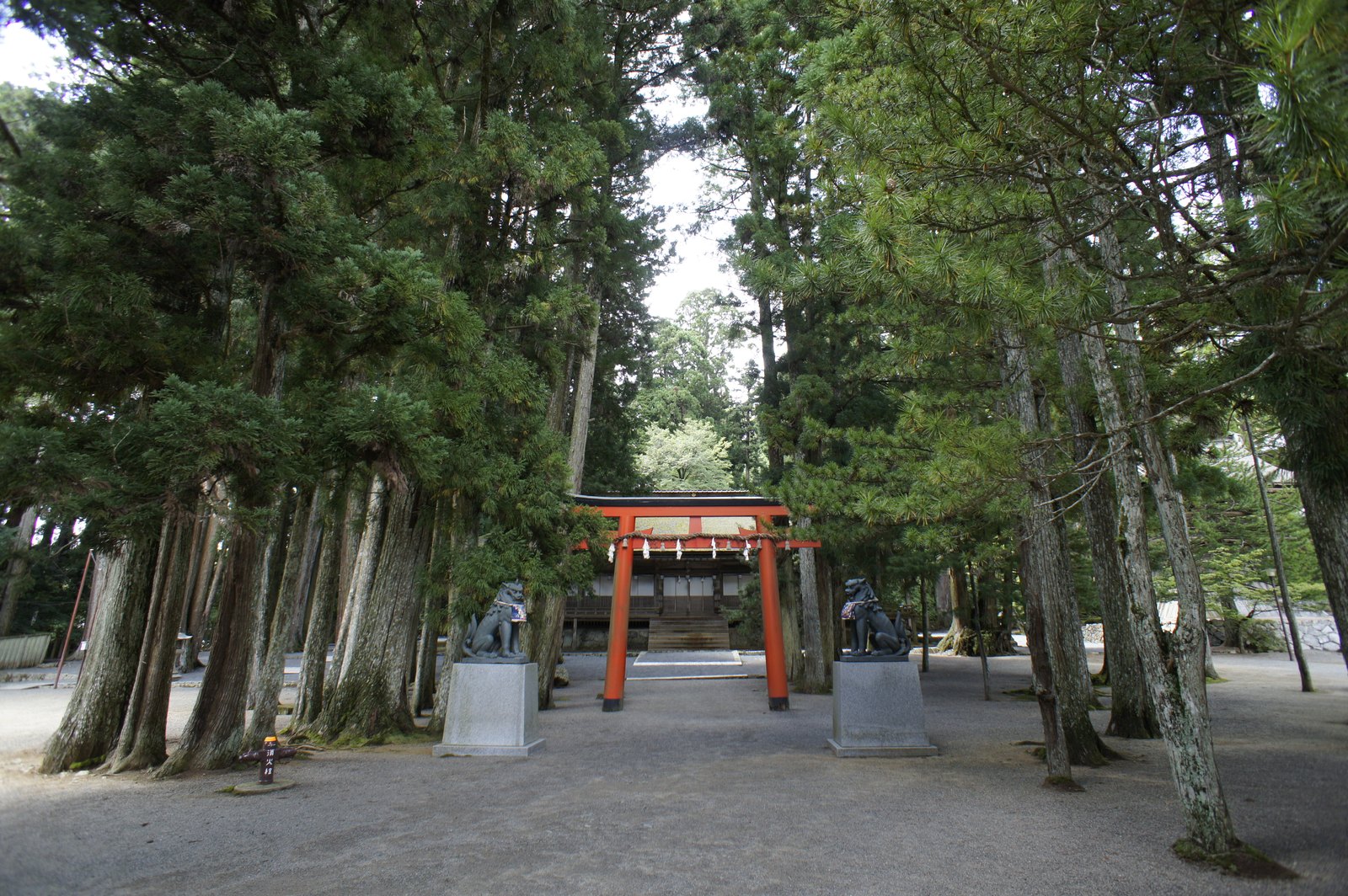
Daoist shamanism refers to the shamanic roots of Chinese Daoism — reaching back to the Wu tradition of ancient ritual specialists who called spirits, consulted ancestors, and worked with breath and movement long before Laozi's philosophical school. Core practices are Chanmi Qigong as meditative-shamanic body work, Bagua Zhang with its spiraling circle walks around an inner center, Tai Chi as soft flowing movement meditation, and Inner Alchemy (Neidan) as the transformation of the life energy Qi. Daoist shamanism works with breath, spiral power, the Five Phases and connection to mountain and ancestor spirits. [Eliade 1951; Schipper 1982]
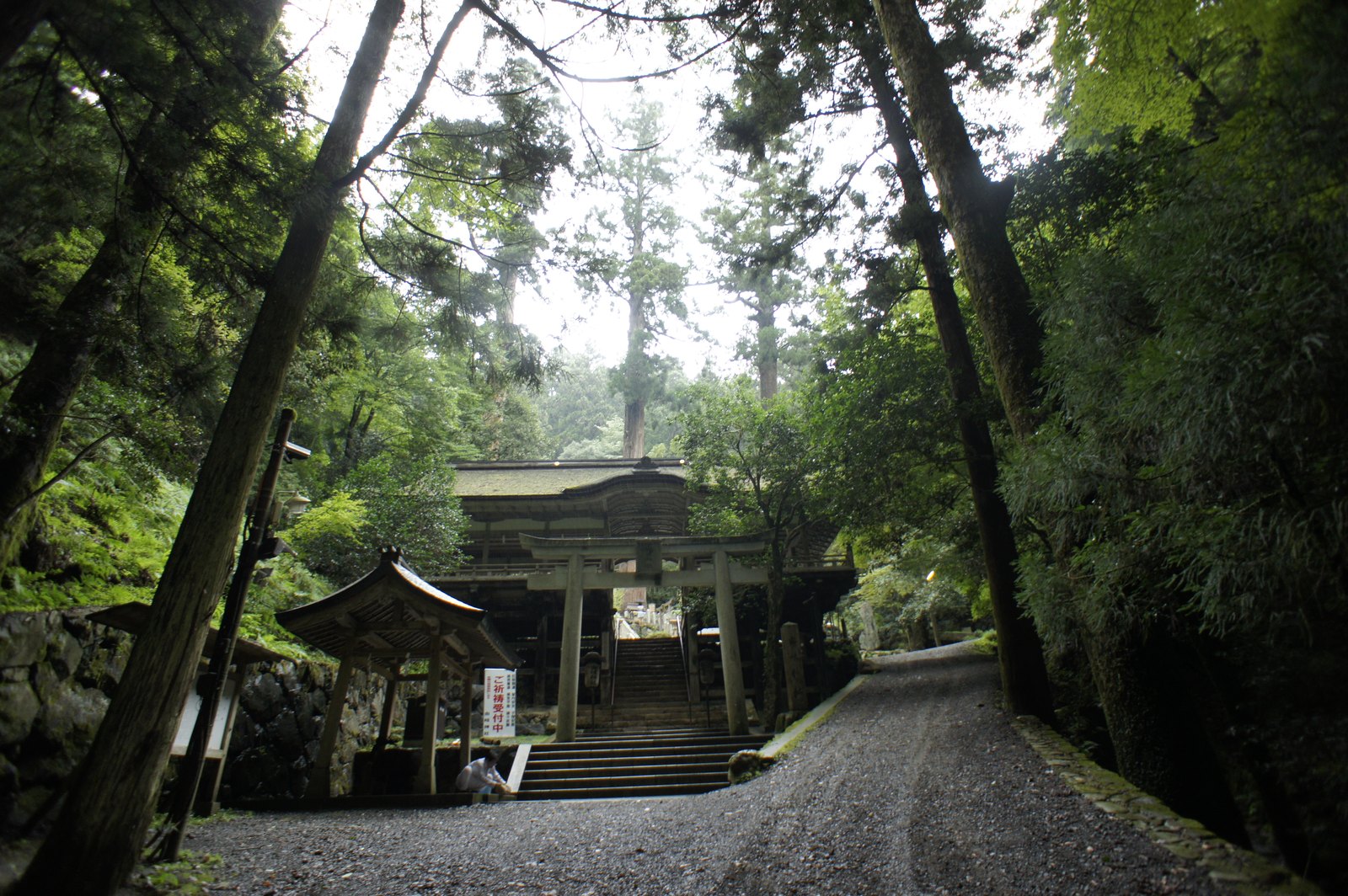
Chanmi · Bagua · Tai Chi.
Each pillar is its own path · all three share the same deep layer: breath · spiral · inner center · the connection to the Dao.
Chanmi Qigong
Meditative-shamanic body work. Wave motion along the spine · breath as carrier · Qi as tangible substance. The form opens what seated meditation often leaves closed: the body as gate.
Bagua Zhang
The circle walk around an invisible center. Eight trigrams · eight directions · spiraling motion. One of the oldest martial arts — and at the same time one of China's deepest shamanic practices.
Tai Chi
Soft flowing movement meditation. Yin and Yang in constant dance. What is known worldwide as a health practice carries, in its spiritual depth layer, alchemical work with Qi.
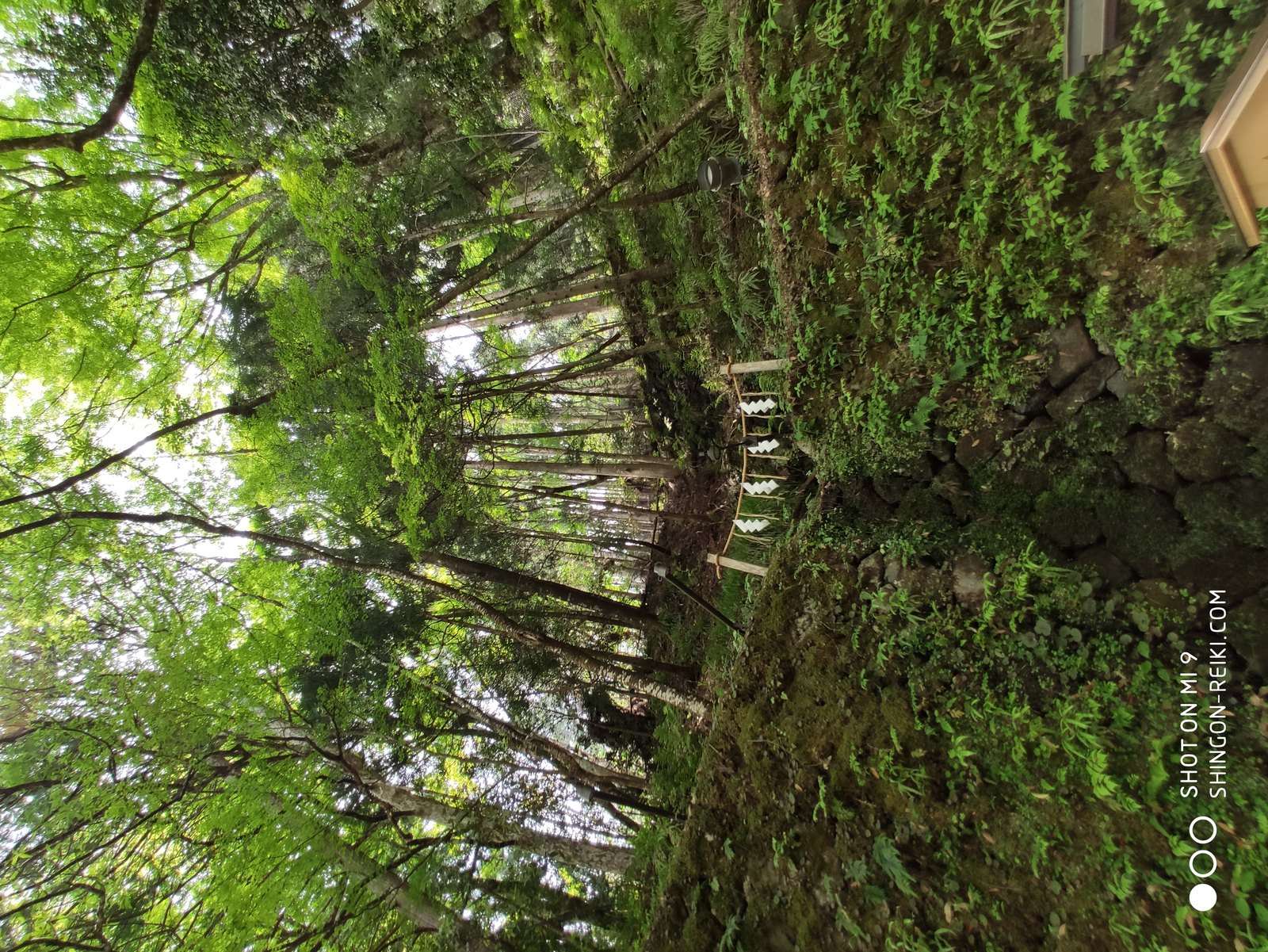
What the Dao shows.
The Wu tradition · China's shamanic root
Long before Daoism was cast into texts by Laozi and Zhuangzi as philosophy, there were the Wu. Ritual specialists · often women · who called spirits · asked the ancestors · sought trance states · went to the mountains for visions. The oracle bones of the Shang dynasty (16th–11th c. BCE) are direct evidence of this work. Daoism in its deep layer is the continuation of this Wu tradition in ordered form.
Breath as carrier
In every Daoist-shamanic practice the breath stands at the center. Breath is Qi in its most accessible form. Whoever changes the breath changes the Qi. Whoever moves the Qi opens rooms that seated meditation alone does not. Chanmi Qigong works explicitly with this principle — fine wave motions along the spine · breath as wave · Qi as tangible substance.
Bagua spirals · feminine and masculine power
Bagua Zhang is not straight-forward. It is the spiral around an inner center — a central pattern in many shamanic traditions. The spiral carries feminine qualities: circling rather than charging · condensing rather than piercing · receiving rather than grasping. In Daoist-shamanic work these spirals are used consciously to open bodily rooms that direct movement closes. Partner practice deepens this — two spirals enfolding each other without losing themselves.
Inner Alchemy · Neidan
Neidan is the art of inner transformation. Jing (finest life-substance) is transformed into Qi · Qi is transformed into Shen (spirit essence) · Shen returns to the Dao. These three transformations are not a scheme · they are experiences. Whoever walks the practice patiently over years feels how the inner substance refines itself. Tang and Song-era texts describe this path in precise metaphor.
Mountain · spirit · ancestor line
China's sacred mountains — Taishan · Huashan · Wudang · Emei — are still living places of Daoist-shamanic work. On the mountain, the connection to mountain spirits and ancestor lines is sought. The Wu tradition and the Daoist schools keep their own ancestor lineages, whose names are invoked in certain rituals — not as historical reference, but as living call.
Body and sensuality as spiritual force
Daoism never cultivated the Western body-spirit dualism. The body is the field on which everything happens. Qi flows through meridians · not through concepts. From this it follows that sensual perception and spiritual development are tightly bound in Daoism. Whoever has to set the body aside in order to be spiritual hasn't yet grasped much of the Dao.
Daoist shamanism at a glance.
Qi
The life energy. Feelable · movable · refinable. Not a concept · a phenomenon experienced from day one of practice.
Dantian
The inner cinnabar fields. Three storage places of Qi in the body — lower belly · heart · forehead. The alchemical map of the body.
Yin-Yang
The ground pattern of all Daoist work. Not opposition · pairing. Both sides used · both sides honored.
Mountain
Taishan · Huashan · Wudang. The sacred places where the lineage still lives. The mountain as master · the mountain as gate.
When the body opens.
In Daoism the body is not an obstacle on the path · it is the path. Qi flows through meridians · not through concepts. This makes Daoist-shamanic practice both accessible and demanding: what happens, happens in the body · not just in the head.
The Bagua spirals · the partner Qigong · the breath-based practices carry this body dimension directly. Whoever practices seriously notices how fine perception, sensual presence and spiritual openness flow into each other. This is not the same as ordinary body work · but it is not detached from it either.
A complementary perspective on sensuality as spiritual force can be found at Eileen's project tantracat.com.
Further articles.
Cursed energy, chakra, nen · the real Qi
One real thing sits under every anime power system — Qi and the dantian.
Daoist shamanism · the overview
Wu shamans, the Three Treasures, Fu talismans and inner alchemy at a glance.
Qigong · the Daoist shamanic practice
Gathering and refining Qi — the practice beneath the "charge up."
Inner alchemy · Neidan
Refining Jing into Qi into Shen — the transformation of the practitioner.
Bagua Zhang · the eight trigrams in motion
Walking the circle — cosmology made into a body practice.
The Eight Immortals · Baxian
The eight who attained the Dao — each a path of transformation.
Step into the Dao.
The free perception test shows you whether the Daoist lineage fits the way you perceive. On the Master Path you walk it concretely — with breath · spiral · Qi work · and the body as gate.