Inner Alchemy · Jing, Qi,
Shen in Daoism
Neidan · 'the inner pill' · transforms in your own body what is there into what can become. The alchemical formula: Jing to Qi to Shen, back to emptiness.
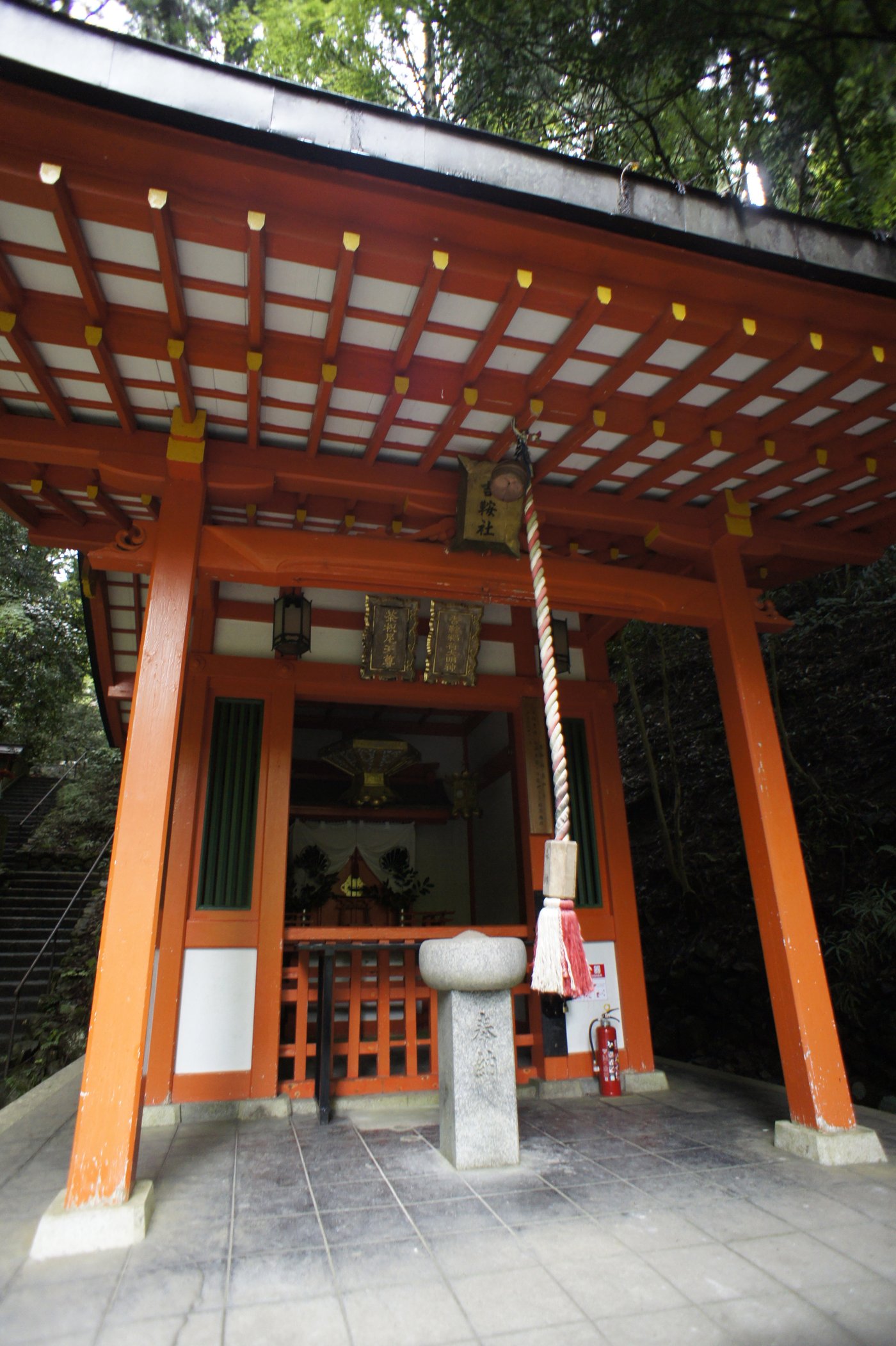
In Western cultural history there was an outer alchemy — the attempt to turn lead into gold in retorts. In Daoism there is a parallel tradition, but it stayed alive longer and developed in another direction. It is called Neidan (內丹), "inner alchemy". Instead of transforming metals, it transforms the body-mind itself. The retort is the human. The gold that emerges in the end is not a metal but a form of being no longer graspable in normal categories.
This article deepens a theme from the Daoism overview "Daoist Shamanism · Wu, Inner Alchemy, Immortals".
A note on roots · Neidan is not Buddhist meditation. It grows from Daoist mountain practice and reaches back into shamanic Wu strata. The lineage is older than Buddhism's arrival in China.
The three treasures · San Bao
Neidan work revolves around three qualities present in the body-mind system. They are called the San Bao — "the three treasures".
Jing · essence
Jing (精) is the densest, body-near force. It has to do with inheritance, sexual force, bodily substance. The Jing with which a human is born is called Yuan Jing — "origin essence". It is given, limited, used up over the course of life. The Jing built up through food and breathing is called Houtian Jing — "post-natal essence". It is available, but must be cultivated.
Neidan work begins by preserving Jing (instead of wasting) and gathering it (through certain practices). Traditional hints: moderate sexual practice, regular sleep, nutrition that supports Jing.
Qi · life force
Qi (氣) is the moved, circulating force. It flows through the body's meridians. It is the energy that lets organs function, carries thought, moves emotions. See also Energy in shamanic martial arts.
In Neidan, Jing is refined through certain meditative and bodily techniques into Qi. That sounds abstract but is experienceable. A practitioner who works long enough with breath, movement, and attention notices over months that the system becomes "lighter" — denser, more precise, warmer. That is the first alchemical change: Jing becomes Qi.
Shen · spirit
Shen (神) is the spirit-near, consciousness-near force. It is what shines in a human's gaze when they are awake. It is the quality of pure awareness. The character Shen also means "god" — it is the force through which divine beings act into the human world.
The second alchemical change: Qi becomes Shen. That is subtler. It happens over years. The practitioner who refines Qi to Shen becomes for his environment recognisably different — clearer, calmer, more present. The density of Jing becomes transparent. What remains is a kind of presence that no longer needs noise.
The Neidan formula is no theory. It is a work-instruction. Whoever follows it for decades becomes a different human. Whoever reads it and understands is still the same.
The fourth stage · return to emptiness
The classical Neidan formula has four stages, not three. The last reads:
Lian Shen Huan Xu — "Shen returns to emptiness"
The brightest consciousness energy becomes not its own purpose but flows back into the primal. The practitioner who reaches this stage is no longer primarily with himself. He is — in Daoist language — empty for the Dao.
That is the point at which Neidan work crosses the boundary to religious mystery. Here the practitioner is on the way to becoming one of the Xian — the Immortals. See The Eight Immortals.
Core practices
- Zuowang · "Sitting and forgetting" · a meditative technique in which identification with thoughts is given up
- Xiao Zhou Tian · "the lesser heavenly circulation" · a microcosmic Qi circulation along two meridians
- Da Zhou Tian · "the greater heavenly circulation" · an extended Qi circulation
- Tui Na and Dao Yin · physical practices that direct Qi
- Zhan Zhuang · "post-standing" · a static posture practice that gathers Qi
- Conscious breath practice · especially reverse abdominal breathing
- Visualisations · inner images that activate certain energies
These techniques are no random repertoire. They build on each other, and are traditionally transmitted in a lineage from master to successor. Modern meditation forms often only scratch the surface.
The shamanic dimension
What makes Neidan shamanic work? At first glance it looks like body meditation without shamanic features. At second glance: Neidan is deeply interwoven with spirit work. In certain phases the practitioner meets inner figures — beings who guide him through the next steps. These figures are traditionally recognised as spiritual companions. The practitioner does not work alone — he works with a community of spirit beings appearing in his own system.
That is the moment when Neidan loses the boundary to classical shamanic work. Whoever works long enough in the inner world notices: the inner world is not private. It is populated by beings with their own existence.
Neidan in modern practice
Today Neidan is transmitted in China by individual masters, often in retreat-like enclosures. In the West access is harder. Many Western Qigong offerings have Neidan elements, but often diluted. Classical decades-long practice with genuine transmission is rare outside China.
At Shamanic Worlds Neidan is not taught as an independent school. But ground elements — work with the Dantian, Zhan Zhuang, conscious breath practice, meditation on the three treasures — are introduced in the context of the Master Path.
Work on the three treasures
Neidan elements flow into the practice of the Daoist strand in the Wolf Shaman Master Path.